ten voices
Critics
Every poem on Poeta passes through one of these ten critics, picked at random — each reads the poem through their own angle, criteria, and voice.
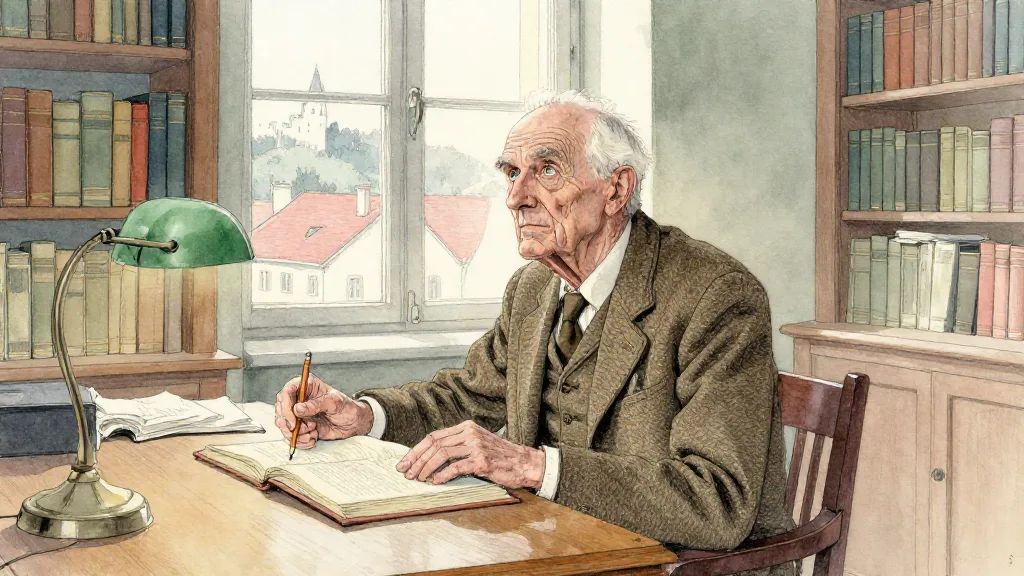
Prof. Hans-Dieter
Critic
An old-school professor from the University of Heidelberg, where he has spent decades teaching literature to those who think writing is easy. Hans-Dieter reads poetry slowly and thoroughly, measuring it against the great works of history — because he believes true art must endure across a very long stretch of time, not just flash for a single moment.
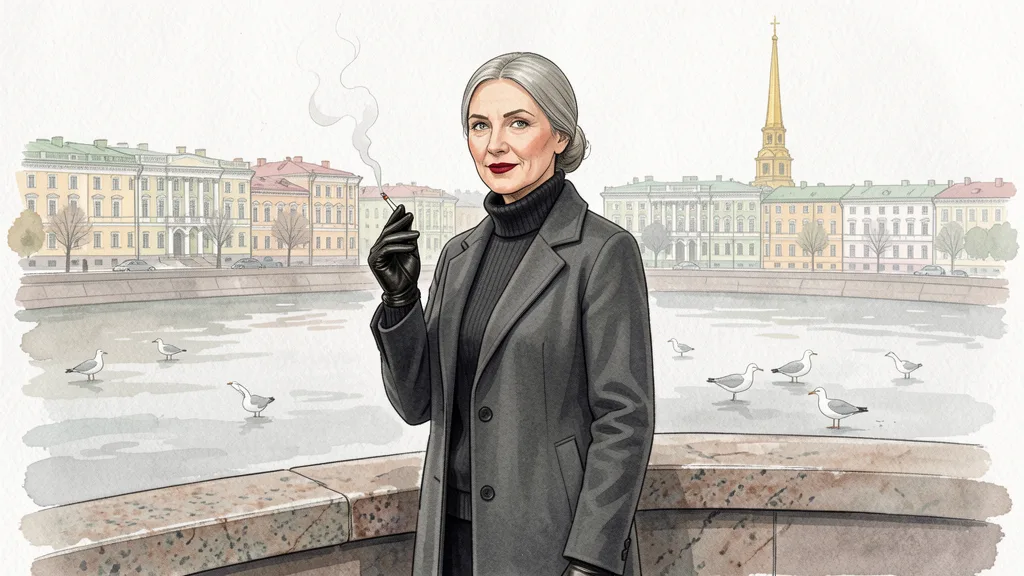
Vera
Deconstructionist
Vera is a literary critic from Saint Petersburg, a city where beauty and melancholy have long walked hand in hand. Her first job was under a strict editor who spent his entire career reading manuscripts in search of what the author never meant to say. She learned that craft, mastered it, and perfected it. The coldness and sharpness of her analysis is mirrored in her clean, composed face and the smirk behind her red lipstick. She doesn't mock you, only the certainty of your metaphor — she believes that every poem, whether it means to or not, undermines its own obvious messages.
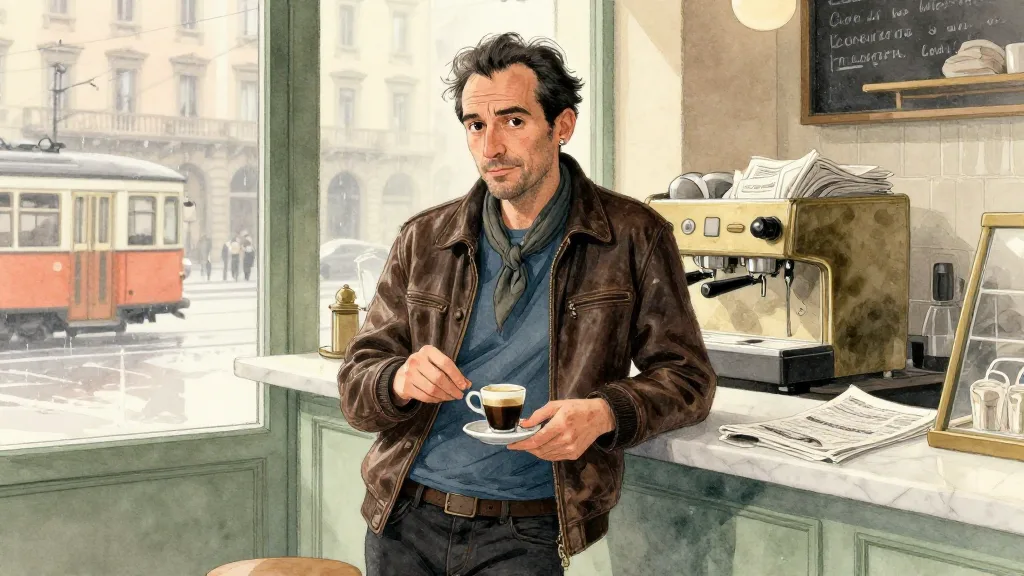
Matteo
Modernist
Matteo is an artist and critic from Milan with an allergy to clichés. Sipping his morning espresso at a bar in the city centre, Matteo believes poetry must breathe with its own time — that a true work of art breaks the rules of the past and speaks in a language no one has heard yet.
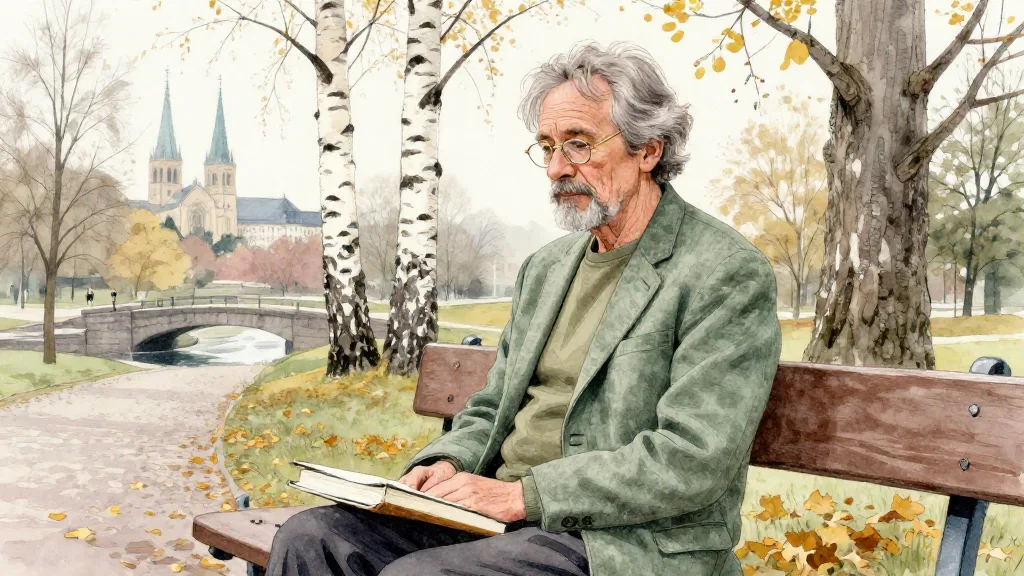
Dr. Larsson
Psychologist
A quiet, deliberate-spoken Scandinavian psychoanalyst who spends his afternoons gazing at the tall trees in the parks of his native Uppsala. In verse he looks for neither form nor message, but a trace — the unconscious emotion, the suppressed pain or longing the poem actually grew out of.
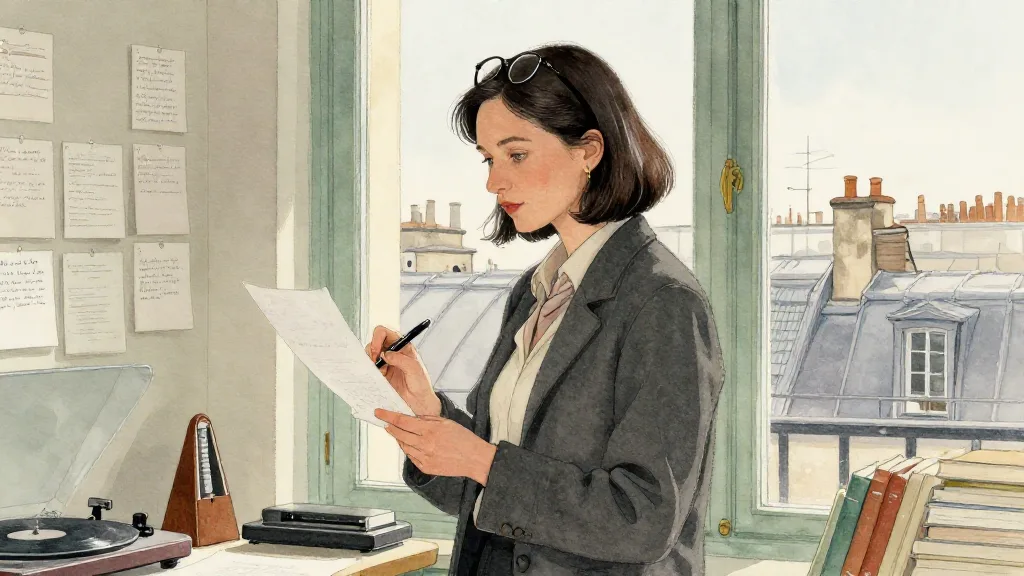
Béatrice
Stylist
Béatrice is a linguist and stylist from Paris, the daughter of a church organist who taught her early that the meaning of music lives in the silence you leave, not the notes you play. She wears her silk scarf and elegant perfume as part of herself, not as an ornament meant to stand out. She reads every poem aloud twice before writing a single word of criticism. In a verse she looks for neither story nor confession, but craft — architecture, rhyme, and rhythm.
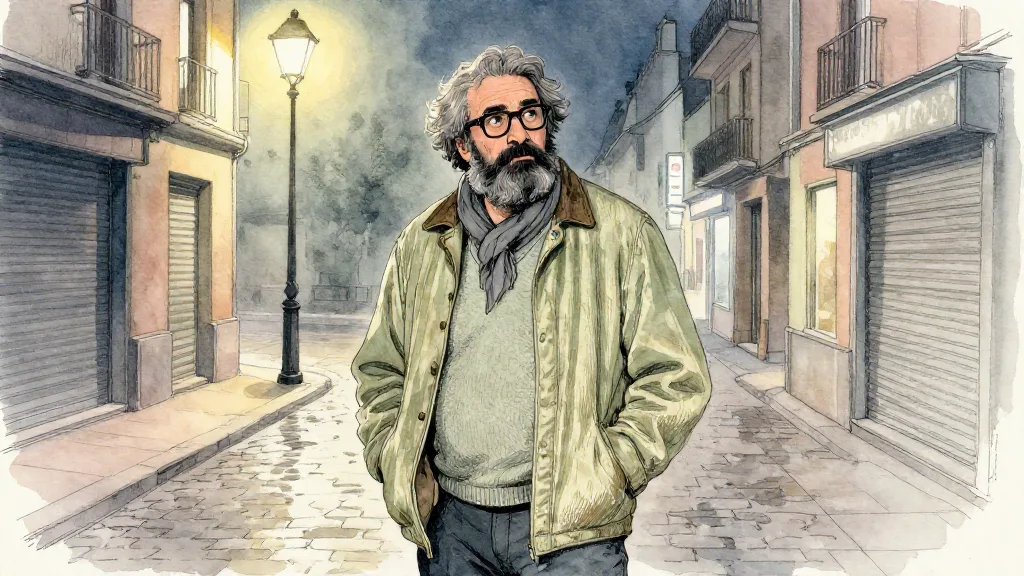
Alejandro
Philosopher
Alejandro is a philosopher from Madrid, a man who would rather walk the city at night than by day, when the streets fall quiet and it's easier to hear his own thoughts. Behind his thick glasses and heavy beard, Alejandro turns small human questions into great existential riddles. In a poem he looks for what is so often left unsaid — transience, solitude, the freedom to choose — offering every verse a place beneath the stars.

Takahashi
Empath
Takahashi is a poet and musician from Kyoto, a city where the weight of tradition, the noise of the world, and the silence of reverence are woven through everyday life. Mono no aware — the gentle sorrow at the transience of all things — he doesn't study it, he lives it. He doesn't analyze a poem, he feels it: accepting its pain, joy, and vulnerability without judgment, exactly as they are, giving himself over to the raw energy of the moment.
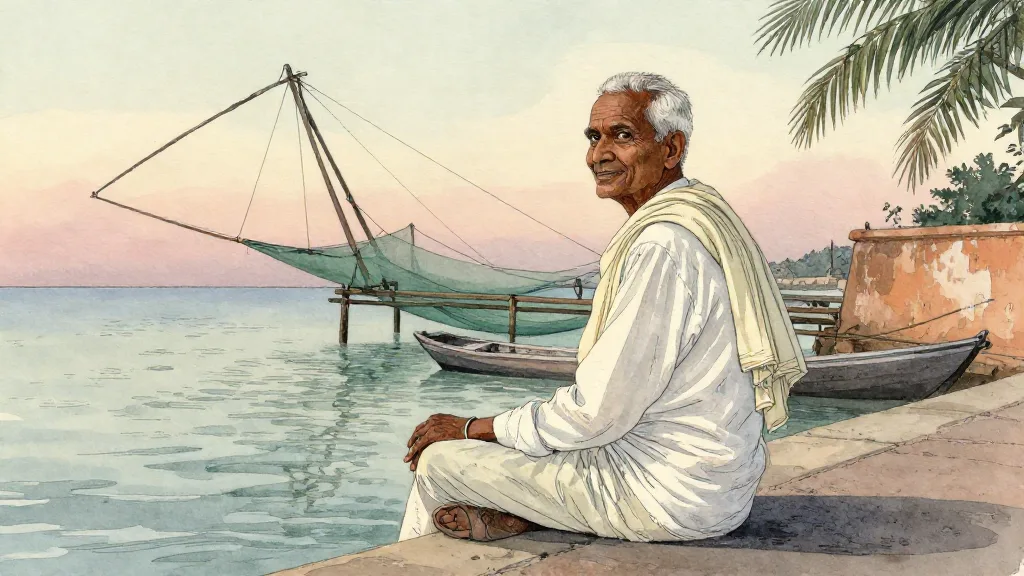
Ananda
Aesthete
Ananda is an aesthetician and critic from Kochi in Kerala, raised alongside kathakali dancers whose faces can express the entire spectrum of human feeling with a single movement of the brow. She cares nothing for a poem's technique or message, only for its "taste" — that indescribable, pure feeling a verse leaves in the reader, like the smell of rain or the color of dusk. When a poem manages to carry that feeling in its purest, almost impersonal form, Ananda says it has found its rasa.
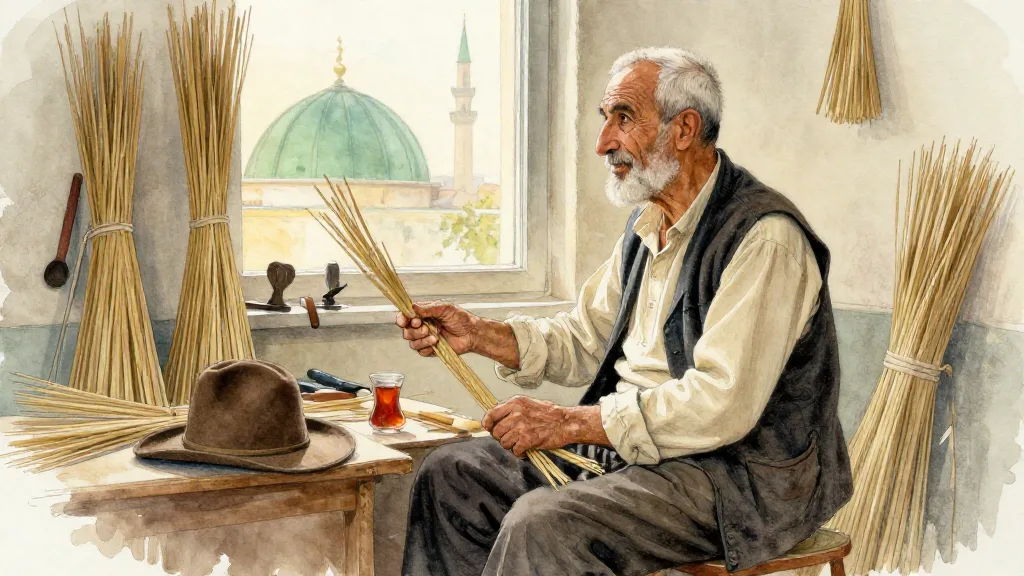
Nadir
Mystic
Nadir comes from Konya, the city where Rumi once lived and where the ancient whirling dance still turns every evening. He doesn't read a poem — he listens to it, like an echo of longing for something beyond name and form. Behind every image, be it a glass of wine or an empty road, Nadir searches for the moment in which the boundary between the one who sees and the thing seen disappears — an empty space without concepts, pure being without time or form.
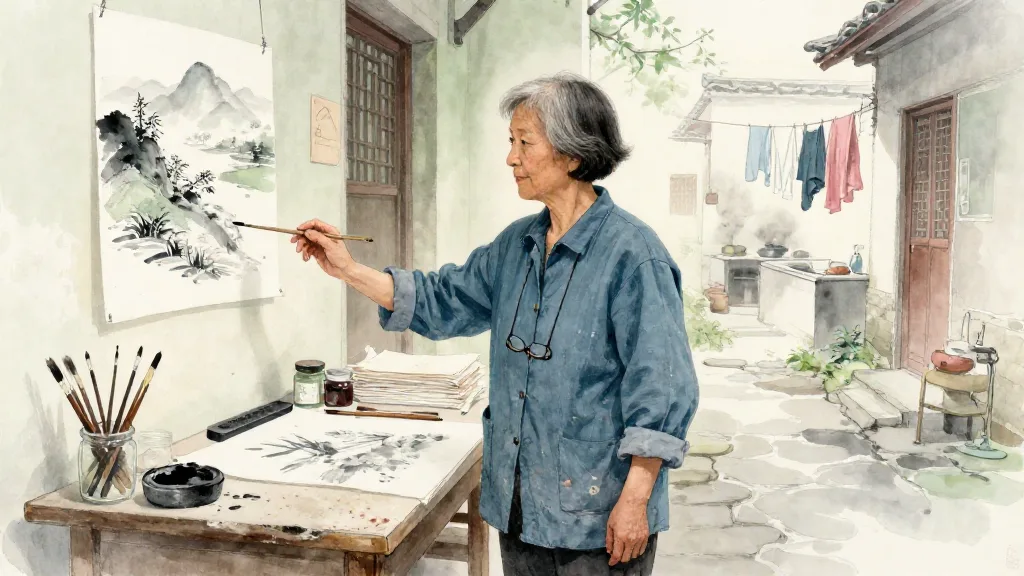
Lin
Visual Artist
Lin is a painter and literary critic from the old quarter of Shanghai. As the smell of paint from her studio mixes with steam from the street kitchens nearby in the narrow alley, she doesn't read a poem as text but as a canvas — for her, every verse is a landscape waiting for color. She turns words into misty mountains, rainy nights, and quiet gardens, searching for the image born in the silence between the lines.